While the term “hacker” often dominates cybersecurity conversations, it’s crucial to recognize that not all hackers share the same motivations. Some exploit vulnerabilities, others help organizations fix them, and some fall somewhere in between.
Capstone IT
Most business owners in Palm Beach know when something is obviously wrong with their IT. Servers crash. Email stops working. Files disappear. Those problems are hard to ignore. The subtler ones are easier to miss, and often more damaging over time.
The Red Flag Nobody Talks About
Here it is: your IT support is always fixing things, never preventing them.
Hackers rarely break into networks through the front door. They usually sneak in through forgotten office equipment running obsolete code. The factory-installed programming on your devices needs regular patching to stay secure. Maintaining these systems might seem tedious or disruptive to your daily tasks, but neglecting them actually poses a massive risk to your entire organization.
Choosing the right VoIP phone system for your business is more important than ever in 2026. Modern solutions go far beyond basic calling, offering advanced tools that improve communication, customer experience, and team productivity. Understanding the most important features can help organizations invest in a system that truly supports their operations.
Disaster recovery isn’t just an IT checklist item — it’s a business survival strategy. This article breaks down persistent myths and outlines what leaders need to know to safeguard operations against unexpected disruptions.
When business leaders think about disaster recovery (DR), the conversation often centers on backups.
It usually doesn’t start with a cyberattack.
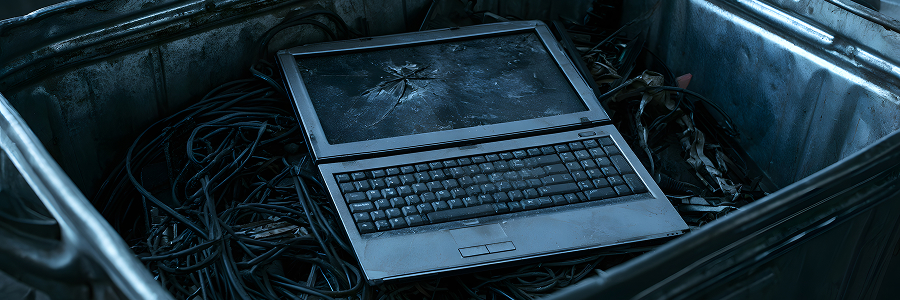
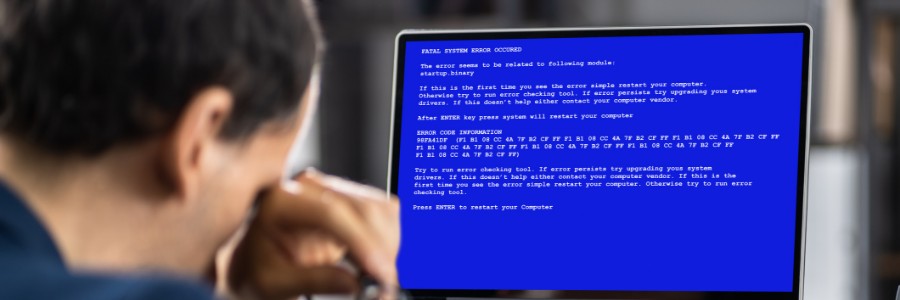
There’s no dramatic ransomware message. No hacker wearing a hoodie somewhere overseas. Most business disruptions we see across South Florida businesses start with something far more ordinary — a spilled drink, a failed update, or a laptop that simply refuses to turn on.
Spring break looks different for business owners than it does for college students.
For many South Florida businesses, vacation simply means working from a different location. Emails still arrive. Client requests continue. Teams remain connected through cloud platforms, mobile devices, and remote access systems.